This problem is not only privacy, polarization, or mental health...

The Political Economy of Cognition: stitching the threads, drawing the path (Part 5 of 5)

I arrive at the last text of this series with a sense (rare, and useful) of having found a problem whose conceptual architecture is not yet consolidated in the literature, and to which my training allows a singular entry. I want, in this closing, to do three things: make explicit the synthesis that connects the four layers I developed; articulate the relationship between this program of reflection and my doctoral thesis, which has a different object but compatible toolkit; and map four research questions that this synthesis suggests for the medium-term horizon.

The unifying thesis

I will state the thesis as synthetically as possible, and then unpack it.

Vitrinization, the burnout society, the degraded equilibrium of platforms, the transformation of public deliberation by generative AI – all these phenomena are contemporary instances of a single object: the political economy of cognition under personalized choice architectures at scale. The transversal operator that connects all layers is framing.

The intuition is the following. Framing, as Tversky and Kahneman demonstrated in 1981, is the elementary cognitive gesture by which the presentation of a problem produces the preference about the problem. That gesture can operate:

  • At an individual scale – a human interlocutor, a therapist, a laboratory experiment.
  • At an algorithmic scale – the TikTok feed, the Google ranking, the order of search results.
  • At a strategic scale – behavioral advertising that orbits political conflict, electoral microtargeting.
  • At an epistemic scale – the LLM response that summarizes a complex debate, the AI that assists the decision-maker.

At each scale, framing operates with the same formal structure but at radically different magnitudes. A Tversky-Kahneman experiment affects dozens of subjects. A recommendation algorithm operates on billions. An LLM response cuts across millions of queries per day. The magnitude is new; the mechanism, not.

The consequence is that problems that previously seemed to belong to separate domains – individual cognitive biases, institutional design, platform regulation, AI governance – are, in fact, instances of the same problem. And they should be analyzable with a common vocabulary.

How the four layers stitch together

To briefly recapitulate:

The cognitive layer (click to see) establishes the microfoundation. Framing acts on the individual, producing preferences contingent on the mode of presentation. Tversky-Kahneman, and the work I did in my master’s thesis on framing in GMCR applied to the Cocó viaducts conflict, provide the starting point – with the important methodological caveat that elicitation of these preferences is itself subject to framing, configuring a recursion that is part of the method and cannot be eliminated from it.

The strategic layer (click to see) shows how individuals whose preferences depend on presentation produce, in aggregate, collective equilibria. Le Bon, Freud, and Türcke supply the historical lineage of the problem of crowds; Schelling, Festinger, and Akerlof-Kranton supply the modern game-theoretic vocabulary. The result, under the current architecture of platforms, is a Nash equilibrium of mutual exhaustion – vitrinization as the dilemma of the attention commons.

The institutional layer (click to see) shows that the architecture under which these equilibria form is not given by natural law. Castells provides the broad sociological frame, with the network society as a historical construction in dispute; Acemoglu and Johnson, in Power and Progress, show the generic thesis of technological underdetermination; Sunstein, with the notion of sludge, provides the operational instrument. The European DSA, the Australian law of 2024, and the Brazilian Bill 2630/2020 are institutional experiments in progress, whose empirical effects are beginning to be measured.

The algorithmic layer (click to see) shows that the entry of generative AIs adds a new layer of cognitive mediation that acts recursively on the three earlier ones. It amplifies or substitutes for human System 2 (Stiegler as pharmakon); it redistributes productivity unequally (Brynjolfsson, Li, and Raymond); it closes the reflexive training-production-training circuit (Rahwan and team; emerging literature on model collapse); and it calls into question Lévy’s bet on collective intelligence – when the collective comes to include non-human agents, the concept needs to be rediscussed.

The stitching: the four layers form a stack. Each layer constrains the layer above and modifies the layer below. Layer 4 produces content that affects the framing of Layer 1; Layer 1 produces preferences that aggregate into the equilibrium of Layer 2; Layer 2 produces phenomena that motivate interventions in Layer 3; Layer 3 designs the environment in which Layer 4 is trained. The system is closed, and therefore requires systemic analysis.

Why this synthesis is a contribution

There is a piece of literature for each layer. There is little literature – almost none in the lusophone space – that integrates the four. There are books in the philosophy of technique (Stiegler, Han, Türcke, Sibilia), in the political economy of technology (Acemoglu-Johnson, Zuboff), in the sociology of the network society (Castells), in behavioral economics (Thaler-Sunstein, Kahneman, Sunstein-Sibony-Kahneman in Noise), and in applied game theory (Schelling, and more recently the work of Acemoglu-Ozdaglar-Siderius). There is also the technical literature on LLMs and machine behavior (Rahwan and team, Brynjolfsson, the alignment community).

Little of this material talks to itself. Philosophers do not model; modelers do not philosophize. Behavioral economists usually stop at Layer 1; game theorists usually stop at Layer 2; political scientists go to Layer 3 but rarely connect it to the quantitative toolkit of the previous ones. The AI community has its own journals, conferences, and vocabulary, with little interface with the political economy of information.

My position combines a toolkit from game theory (GMCR), behavioral economics (framing effects), agent-based modeling (current focus of the doctorate), concrete institutional experience (Government of Ceará, Mayor’s Office of Fortaleza, UNICEF projects), and active interest in generative AI. It is a rare combination (I think), and I have discovered, writing this series, to be an operative combination. It allows formulating questions that no discipline, in isolation, formulates.

Articulation with the doctoral thesis

I want to be clear about how this series relates to the work I have been developing in the doctorate, because clarity matters.

My thesis, at the School of Economics of the University of Porto, investigates the conditions under which cooperation emerges among cognitively heterogeneous agents in agent-based models. It is a theoretical-methodological problem, not a substantive problem about social networks. It has a defined scope, supervision, schedule, and does not overlap with the object of this series.

But the relationship between the two is precise and fertile. ABM with cognitively heterogeneous agents is exactly the natural toolkit to quantitatively investigate the substantive phenomena this series maps. Schelling, who sustains much of the argument of Layer 2, is the grandfather of the methodology. Vitrinization, seen through the lens of Layer 2, is a problem of emergent cooperation (or its failure) among cognitively heterogeneous agents under a specific incentive architecture – exactly the kind of problem ABM is built to investigate.

The best formulation of the relationship is therefore: the thesis develops the toolkit; this program of reflection maps the substantive domain in which that toolkit can be, in parallel and future research, applied. The two works feed each other – the conceptual clarity gained here orients the methodological choices of the thesis; the technical rigor of the thesis provides the instrument to return to these questions with greater robustness in parallel papers and on the post-doctoral horizon.

Four research questions for the horizon

The four questions I list below are, in my assessment, the most promising for a medium-term research program – not for the current thesis, which has its own scope, but for what comes after and for parallel papers that naturally connect to the toolkit I am consolidating.

Question 1: ABM modeling of the dilemma of the attention commons with cognitively heterogeneous agents.

How does one model, in ABM, the emergence (or non-emergence) of cooperation in environments where agents have different susceptibilities to framing, different weights for social comparison, different bounded-rationality frontiers? Applied to the problem of vitrinization: under what parametric conditions (cognitive heterogeneity, intensity of algorithmic framing, exit cost) does an equilibrium of mutual exhaustion emerge? Which perturbations in the architecture displace the system into other basins of attraction? It is a question that naturally connects the thesis toolkit to the substantive domain of this series, and that could generate a sequence of articles on the post-thesis horizon.

Question 2: Preference elicitation under framing recursion – honest protocols.

Recognizing that the instrument of preference measurement is subject to the same bias it studies, is it possible to design elicitation protocols that internalize this recursion as part of the method? A convincing answer would involve triangulation among direct elicitation, revealed preferences, and experiments with varied framings – and, ideally, formal models of the distortion that the protocol itself introduces. It would be a methodological contribution of interest to all applied work in GMCR and in modeled conflict in general. It has direct affinity with what I learned in the master’s thesis.

Question 3: Algorithmic framing as treatment variable in electoral behavior.

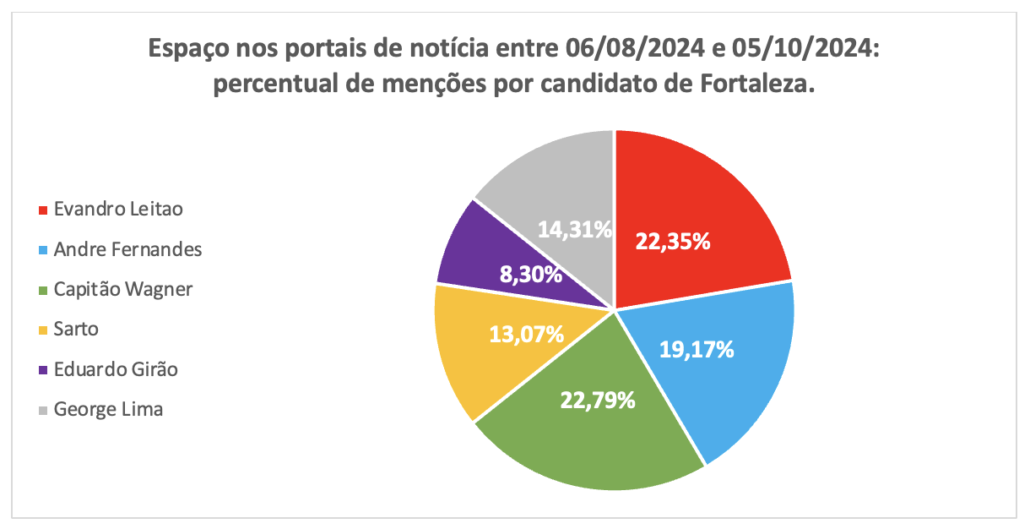
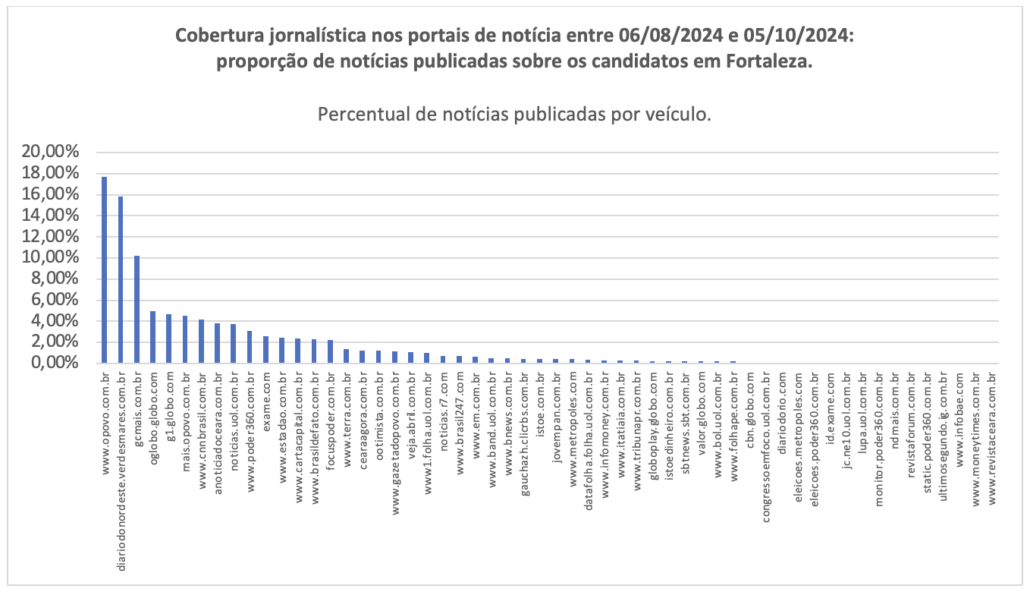
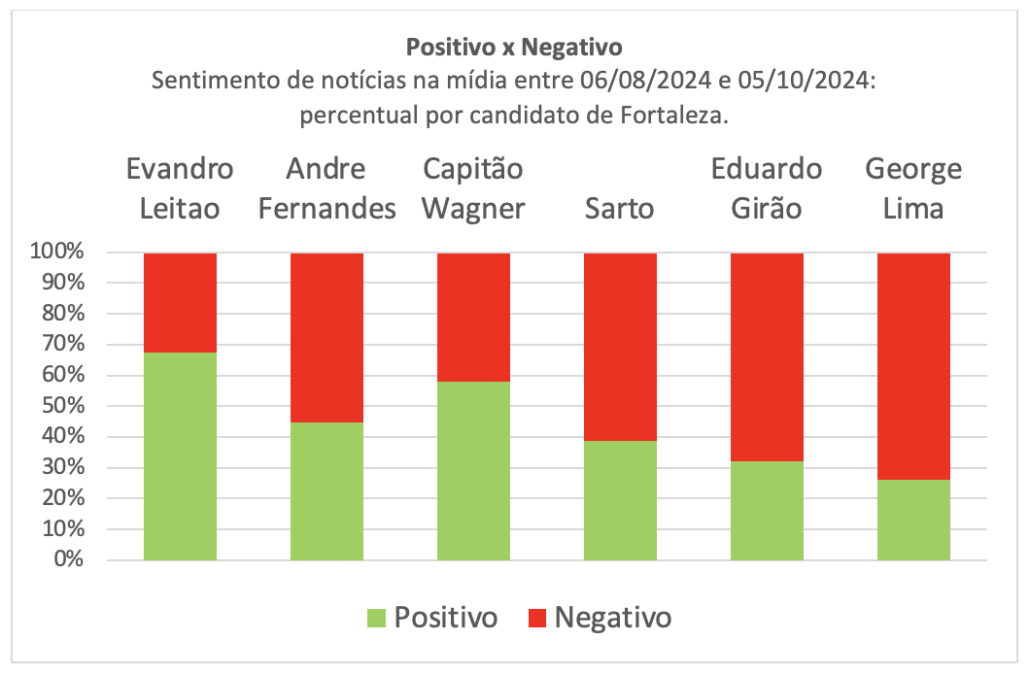
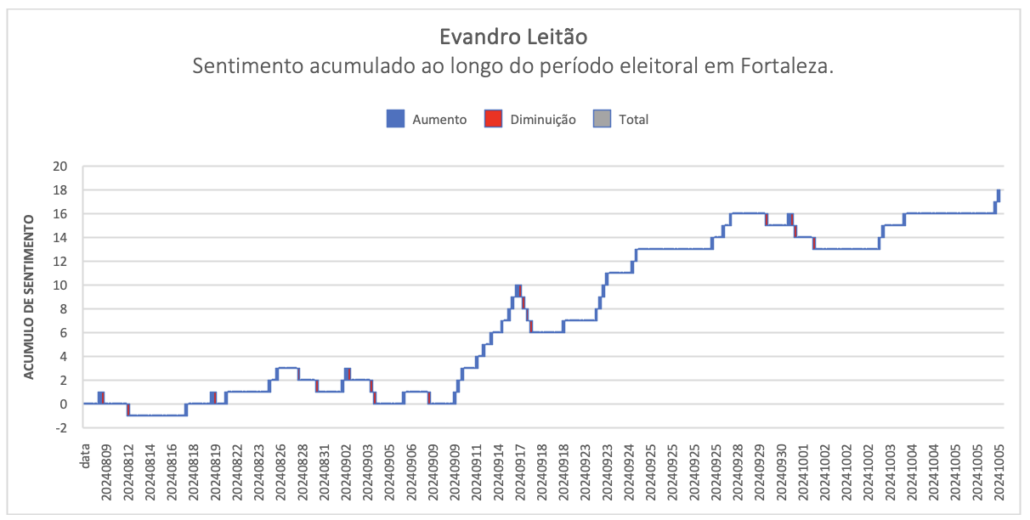
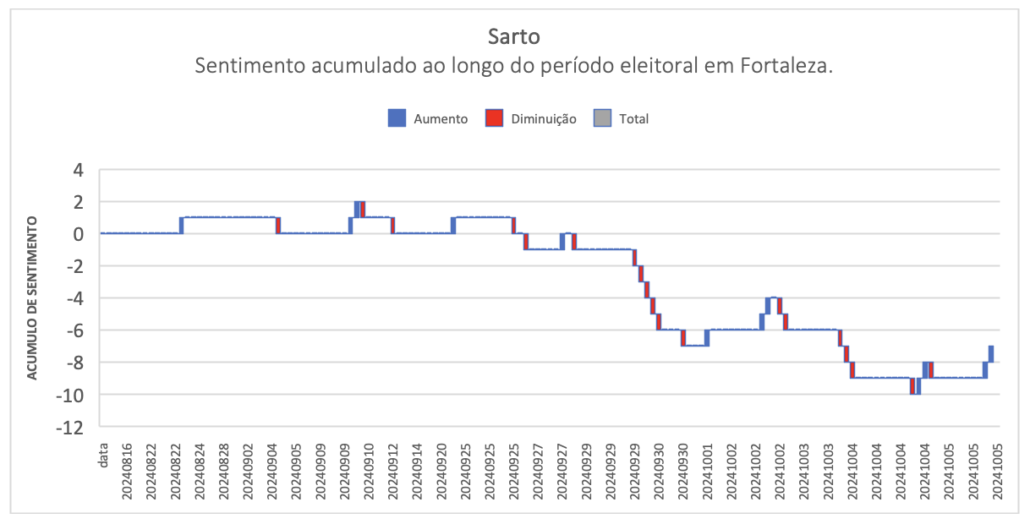
Is it possible to design quasi-experimental studies that isolate the effect of algorithmic framing on electoral behavior? I have a descriptive pilot on the blog itself – the analysis of media sentiment in the 2024 Fortaleza municipal elections. What is missing is moving from description to causal identification. There is starting literature, dominated by studies with privileged access to platform data; the interesting question is what can be done with public Brazilian and Portuguese data, mobilizing observational causal inference (synthetic control, discontinuity in algorithmic changes, instruments through exogenous exposure shocks).

Question 4: Human-AI coupling in political decision-making – experiment.

How does human-AI coupling change the quality of collective decision in conflict problems? More specifically: when a decision-maker consults an LLM to analyze a conflict, does the framing the model produces in its response alter the equilibrium of the conflict? And in which direction – convergence or divergence? Increase or reduction of epistemic diversity?

It is, in my reading, the most original and potentially impactful question. Possible design: an experiment in which real decision-makers solve conflicts modeled in GMCR – or in ABM with humans and AI agents interacting in the same environment – half with LLM assistance and half without, measuring the stability of the equilibrium reached, the quality of deliberation, and the polarization of preferences before and after. It connects Layers 1, 2, and 4 directly, and opens exactly the technical space my thesis is consolidating: ABM with cognitively heterogeneous agents, now extended to include machine agents alongside human agents.

Closing

I began this series trying to name a diffuse unease – a structural fatigue, a vitrinization that seems to define the present. I end it with a conceptual architecture and a parallel research program.

What happened in the middle was the realization, which I consider useful, that we are not facing separate problems – privacy, polarization, digital mental health, automation, AI governance. We are facing manifestations of a unified problem: how societies organize, govern, distribute, and dispute the collective cognitive resource, given the mediation technologies currently available.

This problem is old at heart. It is in Plato on writing, in Le Bon on crowds, in Marx on alienation, in Adorno on the culture industry. But it takes a specific form in this decade, with specific instruments and at a specific scale. To think it well requires a vocabulary still being built, and quantitative tools still being developed – including the toolkit I am consolidating, in another front, in my thesis.

I hope this series has been a small contribution to that construction. And that it orients, in the coming years, both the doctoral work in progress and the parallel and subsequent agenda this reflection has made visible to me. I found the axis. Now it is work.

Deoclécio Paiva de Castro

Ph.D. Candidate in Economics, Faculty of Economics, University of Porto
M.Sc. in Mathematical Modeling and Quantitative Methods, UFC
B.Sc. in Industrial / Production Engineering


References

ACEMOGLU, D.; JOHNSON, S. Power and Progress: Our Thousand-Year Struggle Over Technology and Prosperity. New York: Public Affairs, 2023.

ACEMOGLU, D.; OZDAGLAR, A.; SIDERIUS, J. “A Model of Online Misinformation”. Review of Economic Studies, 2024.

AKERLOF, G. A.; KRANTON, R. E. Identity Economics: How Our Identities Shape Our Work, Wages, and Well-Being. Princeton: Princeton University Press, 2010.

BRYNJOLFSSON, E.; LI, D.; RAYMOND, L. R. “Generative AI at Work”. Quarterly Journal of Economics, vol. 140, no. 2, 2025.

CASTELLS, M. The Rise of the Network Society. Oxford: Wiley-Blackwell, 2010. [First edition: 1996.]

CASTRO, D. P. Efeito de Enquadramento no Modelo de Grafos para Resolução de Conflitos com uma Aplicação ao Conflito das Obras de Construção dos Viadutos do Cocó [Framing Effect in the Graph Model for Conflict Resolution with an Application to the Cocó Viaducts Construction Works]. Master’s thesis – Federal University of Ceará, Fortaleza, 2022.

CASTRO, D. P. “Cinturão Digital do Ceará e as mídias digitais” [The Ceará Digital Belt and Digital Media]. Proceedings of Social Media Brasil 2011, Fecomercio, São Paulo, 2011.

CASTRO, D. P. Posts on ChatGPT o1, AI, and electoral analysis. deocleciocastro.com, 2024.

FREUD, S. Civilization and Its Discontents. New York: W. W. Norton, 2010. [Original German: 1930.]

HAN, B.-C. The Burnout Society. Stanford: Stanford University Press, 2015.

HIPEL, K. W.; KILGOUR, D. M.; FANG, L. Conflict Resolution Using the Graph Model: Strategic Interactions in Competition and Cooperation. Cham: Springer, 2018.

KAHNEMAN, D. Thinking, Fast and Slow. New York: Farrar, Straus and Giroux, 2011.

LE BON, G. The Crowd: A Study of the Popular Mind. Mineola: Dover, 2002. [Original French: 1895.]

LÉVY, P. Collective Intelligence: Mankind’s Emerging World in Cyberspace. New York: Plenum, 1997. [Original French: 1994.]

RAHWAN, I. et al. “Machine Behaviour”. Nature, vol. 568, pp. 477-486, 2019.

SCHELLING, T. C. Micromotives and Macrobehavior. New York: W. W. Norton, 1978.

SHUMAILOV, I. et al. “AI Models Collapse When Trained on Recursively Generated Data”. Nature, vol. 631, pp. 755-759, 2024.

SIBILIA, P. O Show do Eu: a intimidade como espetáculo [The Spectacle of the Self: intimacy as spectacle]. Rio de Janeiro: Nova Fronteira, 2008.

STIEGLER, B. Symbolic Misery, Volume 1: The Hyperindustrial Epoch. Cambridge: Polity Press, 2014.

SUNSTEIN, C. R.; SIBONY, O.; KAHNEMAN, D. Noise: A Flaw in Human Judgment. New York: Little, Brown, 2021.

TÜRCKE, C. Erregte Gesellschaft: Philosophie der Sensation. Munich: C. H. Beck, 2002.

TVERSKY, A.; KAHNEMAN, D. “The Framing of Decisions and the Psychology of Choice”. Science, vol. 211, no. 4481, pp. 453-458, 1981.

ZUBOFF, S. The Age of Surveillance Capitalism: The Fight for a Human Future at the New Frontier of Power. New York: Public Affairs, 2019.

What happens to human thought when the machine starts thinking with us?

Generative AI as Pharmakon: cognitive offloading and the reflexive circuit (Part 4 of 5)

In October 2024, I wrote on this blog two texts (Text 1 and Text 2) about ChatGPT o1 – one of the first models broadly released by OpenAI to make explicit a reasoning architecture, designed to spend more time processing before responding. The argument I defended in those texts is that this transition was ontologically different from the previous ones: for the first time, an AI system implemented something that seemed analogous to the System 2 of Kahneman’s cognitive architecture – slow, deliberative, controlled, costly reasoning, distinguished from the fast, automatic, intuitive System 1.

About a year and a half later, with o3, Claude with extended thinking, Gemini 2.5, and similar… all with reasoning architecture… what seemed a technical curiosity has become standard. And the more interesting question is no longer “does AI have System 2?”. It is: what happens to human System 2 when the System 2 of machines is broadly available?

That question is at the center of this text, and the reason generative AI must enter the conceptual architecture I have been building. It is not just one more technology on the list of things to regulate. It is a new layer of cognitive mediation that acts recursively on the three earlier layers – the cognitive, the strategic, and the institutional.

Stiegler’s pharmakon applied to AI

Bernard Stiegler, the French philosopher who died in 2020, recovered from the Greek tradition the concept of pharmakon: that which is simultaneously remedy and poison, depending on dose and use. Socrates, in Phaedrus, described writing as a pharmakon – both promise of memory and threat to memory. Stiegler extended the concept to all technique: television is pharmakon, networks are pharmakon, and now generative AIs are pharmakon.

The category is useful precisely because it refuses both naïve enthusiasm and apocalyptic refusal. The point is not to decide whether AI is “good” or “bad”. The point is to identify under what configurations it operates as remedy and under what configurations it operates as poison. The configuration is not a property of the model; it is a property of the institutional environment that surrounds its use.

I will develop three overlapping effects of generative AI in this layer – productivity, offloading, and reflexivity – and in each I will show the pharmakon duality.

First effect: redistributed productivity

Erik Brynjolfsson, Danielle Li, and Lindsey Raymond published in 2025, in the Quarterly Journal of Economics, perhaps the most solid empirical study on the impact of generative AI on work. They measured the use of an AI-based assistant in a call center with more than five thousand agents over the course of about a year. The central result: around 15% increase in average productivity.

The most interesting detail, however, is the distribution. The gain was not uniform. Novice agents jumped to performance levels close to those of experienced agents; experienced agents improved little. Generative AI, in that application, compressed the hierarchy of human capability – it codified the tacit knowledge of veterans and transferred it, via interface, to novices.

Seen from the remedy side: democratization of cognitive capacity, reduction of productivity inequality among workers. Seen from the poison side: erosion of the value of traditional markers of human capital – years of experience, prolonged training, accumulated expertise – with serious implications for social mobility and career structure. Which side prevails depends entirely on how we redistribute the gains. An institutional question, not a technological one.

Acemoglu and Johnson, in Power and Progress, articulate the choice most sharply: AI can be used to automate (substitute human labor) or to augment (complement human labor). The choice between these trajectories is political. The current trajectory – strongly automating, strongly concentrating gains among those who hold the models – is not technological destiny.

Second effect: cognitive offloading

Evan Risko and Sam Gilbert published in 2016, in Trends in Cognitive Sciences, an influential synthesis on cognitive offloading – the use of external means (paper, calculator, smartphone, now AI) to perform part of the cognitive work that was previously done internally. The literature shows two things: offloading is rational individually, in most contexts; and offloading may atrophy the underlying cognitive capacity in the long run, especially if used preventively rather than selectively.

Here Nicholas Carr, in The Shallows (2010) on the effect of the internet on concentration, meets Stiegler. Generative AI can amplify human System 2: someone thinks better with a sophisticated synthetic interlocutor, formulates hypotheses, receives counter-arguments, refines. Or it can substitute for System 2: someone ceases to think because the AI thinks for them, and gradually loses the ability to think.

The decisive question is which configuration prevails. And here too there is no purely technological answer. It depends on pedagogy, product design, user incentives, AI literacy. Models that show their reasoning may teach reasoning; models that deliver only the answer may teach not to reason. The difference is not in the underlying model – it is in how it is presented and used.

Third effect: the reflexive circuit and collective intelligence revisited

Here is, in my assessment, the most conceptually interesting and the most undertheorized point.

Language models are trained on human content. That content, to a large extent, was produced under the logic of social networks – posts, SEO-optimized articles, engagement content, performative texts. In other words: the training material of LLMs is already, in part, a product of the political economy of cognition I have been describing. Generative AIs learned vitrinization along with language.

And they now produce content that re-enters the circuit. Optimized posts, personal-marketing texts, LinkedIn essays, professional bios, advertising copy – an ever-larger share of circulating digital content is generated or refined by AI. That content will be, in turn, training material for the next generation of models.

It is necessary, here, to return to Pierre Lévy. In Collective Intelligence (1994), Lévy proposed one of the most influential visions of the cognitive potential of the network: cyberspace as an environment in which distributed human intelligences could articulate themselves into an emergent collective knowledge, qualitatively superior to the sum of its parts. It was a generous anthropological bet – the network as space of symbolic co-elaboration, in which each participant brings their cognitive singularity and the whole emerges as shared construction.

The urgent question, three decades later, is: what happens to Lévy’s collective intelligence when a substantial fraction of the “agents” in the common space ceases to be human? LLMs are not just tools used by humans; they produce content, participate in discussions, synthesize, opine, recommend. They are inside the space of co-elaboration, not outside it. Is the intelligence that emerges from this hybrid collective still “collective” in Lévy’s sense – human cognitive singularities articulating themselves? Or is it something else, still without a name, in which the gain in processing capacity comes at the cost of loss of epistemic diversity and situated human authorship?

Iyad Rahwan, in a seminal paper published in Nature in 2019 (“Machine Behaviour”, with more than twenty coauthors from various disciplines), argued that we need a science of machine behavior analogous to animal ethology – because AI systems are autonomous behavior agents whose collective effect, in the environment where they operate alongside humans, is not reducible to properties of their underlying models. It is a technical reformulation of the same problem: the distributed intelligence of Lévy’s cyberspace has become hybrid, and we still lack mature vocabulary to describe it.

The most discussed consequence of this circuit is model collapse. There is recent technical work – Ilia Shumailov and coauthors, published in Nature in 2024 – showing that, under certain training conditions without adequate curation of synthetic data, models trained on increasing proportions of AI-generated data degrade progressively, losing the tail of the distribution: rare events, minority perspectives, genuine creativity. It is a documented technical problem, but also an exact metaphor for the sociological concern: if AI is trained on the products of a vitrinized culture and produces more vitrinized products, what happens to the epistemic diversity of public space?

Lévy’s collective intelligence, in this scenario, is not simply replaced by artificial intelligence. It is contaminated by a synthetic layer that homogenizes, smooths, flattens. The collective still exists; its composition changes, and with it its cognitive emergence.

The consequence for the three earlier layers

Generative AI acts on each of the layers I described in the previous texts.

In the cognitive layer, it amplifies or substitutes for human System 2, changing what it means to “decide under framing”. If I use an LLM to evaluate options, the framing that matters is no longer only what the environment offers me – it is also what the language model produces in its response. And what the model produces is the result of its training, its safety constraints, its system instructions, its product design. Framing gains an additional layer of mediation.

In the strategic layer, it changes the equilibrium of social games. If high-quality content can be mass-produced by AI at near-zero marginal cost, what once signaled effort (a well-written post, an elaborate essay) ceases to signal competence. The equilibrium of vitrinization undergoes structural transformation: the race for visibility continues, but what counts as “costly performance” shifts.

In the institutional layer, it opens a new regulatory front. Not only to regulate the platforms, but also to regulate the use of AI in content production, in public decision, in political deliberation. The EU AI Act is the first structured attempt. In Brazil, PL 2338/2023, which proposes a regulatory framework for artificial intelligence, was approved in the Senate in December 2024 and proceeded to analysis by the Chamber of Deputies. The designs are incipient; empirical evidence of what works is practically nonexistent.

Where this meets the my doctoral toolkit

The question that takes shape at this crossing is, for me, particularly interesting because it touches directly the toolkit I am developing in my doctorate – although, importantly, the formal object of the thesis is something else. Vitrinization, seen through the lens of Layer 2, is a problem of emergent cooperation among cognitively heterogeneous agents under a specific incentive architecture. It is exactly the kind of problem agent-based models (ABM) are built to investigate.

My thesis, at FEP/UP, investigates the conditions under which cooperation emerges among cognitively heterogeneous agents. It does not directly treat the substantive problem of this series – vitrinization, platforms, generative AI. But it offers the natural quantitative toolkit to investigate it. Schelling, who sustained much of the argument of Layer 2, is literally the grandfather of ABM in the social sciences. The line of research that connects this conceptual program to my thesis is, therefore, methodological: the toolkit I am consolidating in the doctorate is precisely what would allow, in parallel and post-doctoral research, the quantitative investigation of the substantive questions this series maps.

The especially interesting point, to which I will return in the last text, is that the entry of generative AI as a new layer can also be modeled in ABM – this time with heterogeneous agents that include human agents and machine agents interacting in the same space. It is technical terrain still little explored, and one that offers one of the most original research openings I see emerging at the crossroads between AI, collective behavior, and institutional design.

The synthesis, in the next text

The four layers are on the table. Each illuminates one aspect of the problem; each leaves gaps that the others fill. In the next and final text of this series, I will stitch the threads – propose the unifying thesis, articulate how framing operates transversally, and develop the four research questions this synthesis suggests, in explicit articulation with the doctoral work in progress.

Let’s go for the final text (CLICK HERE FOR PART 5).


References

ACEMOGLU, D.; JOHNSON, S. Power and Progress: Our Thousand-Year Struggle Over Technology and Prosperity. New York: Public Affairs, 2023.

BRYNJOLFSSON, E.; LI, D.; RAYMOND, L. R. “Generative AI at Work”. Quarterly Journal of Economics, vol. 140, no. 2, 2025.

CARR, N. The Shallows: What the Internet Is Doing to Our Brains. New York: W. W. Norton, 2010.

CASTRO, D. P. “ChatGPT o1 and Human Rational Decision-Making According to Kahneman: A Technical and Scientific Analysis”. deocleciocastro.com, October 2024.

CASTRO, D. P. “The Enhanced Reflection of ChatGPT o1 and Human Thought”. deocleciocastro.com, October 2024.

KAHNEMAN, D. Thinking, Fast and Slow. New York: Farrar, Straus and Giroux, 2011.

LÉVY, P. Collective Intelligence: Mankind’s Emerging World in Cyberspace. New York: Plenum, 1997. [Original French: 1994.]

LÉVY, P. Cyberculture. Minneapolis: University of Minnesota Press, 2001. [Original French: 1997.]

PLATO. Phaedrus. Translated by Christopher Rowe. London: Penguin Classics, 2005.

RAHWAN, I. et al. “Machine Behaviour”. Nature, vol. 568, pp. 477-486, 2019.

RISKO, E. F.; GILBERT, S. J. “Cognitive Offloading”. Trends in Cognitive Sciences, vol. 20, no. 9, pp. 676-688, 2016.

SHUMAILOV, I.; SHUMAYLOV, Z.; ZHAO, Y. et al. “AI Models Collapse When Trained on Recursively Generated Data”. Nature, vol. 631, pp. 755-759, 2024.

STIEGLER, B. Symbolic Misery, Volume 1: The Hyperindustrial Epoch. Cambridge: Polity Press, 2014. [Original French: 2004.]

Social media is not lke this by nature.

Who Designs the Game Decides the Outcome: why network technology was never neutral (Part 3 of 5)

There is a moment, in any serious reflection on social networks, when the technological temptation reappears. It is the moment when one says: “the networks are like that, it is the nature of the thing”. Or its symmetrical reverse: “these technologies are inherently exploitative… extracting attention, data, and behavior is what they were built to do”. In either case, technology is ascribed a fixed nature that determines the social outcome.

I want to argue, in this third text of the series, that this ascription is wrong – and that it conceals the political operation that produced the current state of affairs. Social network technologies are not intrinsically anything. What we see today is the result of specific institutional choices, made by specific actors, in specific regulatory contexts. And what has been done can be undone or redone.

I have personal empirical evidence of this. In 2011, I was responsible for the creation and coordination of the social networks of the Government of the State of Ceará. I later worked for years in the Mayor’s Office of Fortaleza, with activity on projects such as the UNICEF Urban Centers Platform and the Secretariat for Conservation and Public Services. I was also responsible for the creation and coordination of FB Podcast, hosted at Colégio Farias Brito – a private secondary-school institution – which became notable as the first podcast studio in Brazil with free public access, dedicated to discussions in education, innovation, and entrepreneurship. I lived from the inside the phase in which it was possible to imagine social networks and digital infrastructure as instruments for participation, transparency, and dialogue between State, society, and citizen.

That imagination was not naïve; it was plausible and theorized. The networks could have become what they promised. They did not because specific choices were made elsewhere. It is this argument I want to develop, anchored in a literature that combines network sociology, political economy, and institutional design.

Castells: the network society as social fact, not technological destiny

It is not possible to discuss what the networks “could have been” without going through Manuel Castells. The trilogy The Information AgeThe Rise of the Network Society (1996), The Power of Identity (1997), End of Millennium (1998) – is the most influential sociological reference of the last quarter-century on what the network has structurally changed in contemporary societies.

The central thesis is twofold. First, there is a change in the mode of development: industrial capitalism gave way to informational capitalism, in which productivity depends crucially on the capacity to generate, process, and apply information. Second, there is a change in the social form: the dominant social structure ceases to be hierarchical and becomes network-shaped – composed of nodes and flows, with an inclusion/exclusion logic that operates by being in or out of the network, no longer only by static class.

The political consequence, which Castells developed in later works – Communication Power (2009) and Networks of Outrage and Hope (2012) – is that the network is simultaneously a terrain of new forms of domination and of new forms of resistance. The movements of the Arab Spring, the Spanish 15M, Occupy, the June 2013 protests in Brazil, and more recently the 2019 Chilean uprising and the articulations of Brazilian indigenous movements are all comprehensible within Castells’s frame. The network was not destined for extraction; neither is it destined for liberation. It is contested terrain.

Castells’s argument lends sociological density to what I am saying: the current configuration of commercial social networks is not “what technology produces”. It is what a specific allocation of power produced over that technology, at a specific historical moment, with little organized contestation. And organized contests can change the outcome – as the very network-based social movements Castells documents show.

Power and Progress: technology is underdetermined

Daron Acemoglu and Simon Johnson published in 2023 Power and Progress, a book that may be the most important recent economic contribution on the topic. The central thesis can be summarized in one sentence: the path a technology takes is not determined by the technology itself; it is determined by the allocation of power around it.

The authors make a brilliant historical reading. The same mechanical technology that could have benefited weavers in early-nineteenth-century England was used, given the prevailing relations of power, to displace them. The same electrification that could have shortened the working day was used, given the prevailing relations of power, to intensify it. The story is not “technology liberates” nor “technology enslaves”. It is: technology is malleable; organized power decides the form of the malleability.

Applied to social networks, the argument is disconcerting. The same network communication technology that enables global access to knowledge, horizontal political articulation, unprecedented cultural expression – and that produced real episodes of these, as Castells documented – was configured, given the property regime and regulatory environment of the early 2000s in the United States, as infrastructure for the extraction of behavioral surplus. In the precise sense Shoshana Zuboff gives in The Age of Surveillance Capitalism (2019): our attention and our behavioral traces are the raw material of prediction products sold in secondary markets.

There was no inevitability in this. There was decision.

Who designs the sludge

Cass Sunstein, in the book that bears its name (Sludge, 2022), introduced a notion complementary to his famous “nudge”. If a nudge is institutional friction designed to facilitate desired behavior, sludge is friction designed to hinder it.

The important observation is that digital platforms are specialists in asymmetric sludge. It is trivially easy to post and like; it is deliberately hard to delete the account, disable notifications, opt out of the algorithmic feed, export your data. The interface is designed for low friction toward engagement and high friction toward exit. This asymmetry of frictions is not incidental. It is architecture – and architecture is choice.

If the equilibrium of mutual exhaustion I described in the previous text is sustained by this asymmetry of frictions, then redesigning the frictions is a legitimate instrument of public policy. The point is not to ban the networks; it is to invert the sludge – to require that exit be as easy as entry, that control be default, that data be portable, that opting out of personalization be one click.

This is part of what the Digital Services Act in Europe is trying to do, especially by requiring more transparency, expanding user control, and allowing users of large platforms to opt for non-personalized recommendations. Obligations of algorithmic transparency, restrictions on targeted advertising to minors, and the requirement of systemic-risk reports from very large platforms all point in that direction. It is one of the first serious attempts, on a democratic scale, to redesign the sludge of platforms.

Other experiments are underway. Australia approved in November 2024 a law that establishes a minimum age of 16 for accounts on certain social platforms, imposing on the companies the obligation to take reasonable steps to prevent under-16 accounts. Brazil has discussed for years the Fake News Bill (PL 2630/2020) in variants ranging from promising to problematic, depending on the wording. The United States debates Section 230, though with legislative paralysis that reflects the veto power of the platforms themselves. China, with its autocratic regulatory model, imposes screen-time restrictions on minors that would be inadmissible in democracies but that show, once again, that technology is malleable when regulatory power wants it to be.

The relevant academic question – and one that enters the research agenda this series sketches – is: which of these redesigns produces, empirically, a displacement of the equilibrium toward less exhausting states? Theory says it should work. Empirical evidence is being built. There is here a clear research opening in comparative policy evaluation with quantitative method.

Benkler, Schneider, and the other possible architecture

Yochai Benkler, in The Wealth of Networks (2006), had already described a possible alternative architecture: commons-based peer production. Wikipedia is the classic example: a non-market cooperative infrastructure produced in network, governed by collectively agreed rules, and in operation for more than twenty years.

More recently, Nathan Schneider in Governable Spaces (2024) and the literature on “platform cooperativism” explore models of democratic governance of platforms – digital cooperatives, collectively owned platforms, decentralized networks such as Mastodon (on the ActivityPub protocol) and Bluesky (on the AT Protocol). These are not utopian proposals; they are experiments in operation, with documentable successes and failures.

The point is not that these alternatives are fully realizable at global scale. It is that their existence proves that the current configuration is not the only possible one, and therefore the current configuration is a choice.

Back to Ceará in 2011

I rediscover here, in theorized form, what I lived as practice. In 2011, in Ceará, we were still using the networks in a “pre-engagement-optimized-by-algorithm phase”. The feed was chronological, incentives for the user were different, targeted advertising was at another stage of development, and, fundamentally, the marginal profit of the network did not yet depend so centrally on prolonged capture of attention. It was possible, in that design, to do public communication that answered questions, expanded transparency, and established reasonable dialogue with citizens. It was the environment in which the Cinturão Digital do Ceará – 3,000 km of fiber optic, 92% urban population coverage – made sense as a democratic project.

I am not nostalgic for the tools of 2011. They were more primitive in many respects. But the institutional configuration and business model of the platforms at that moment allowed a public use that became progressively more difficult. What changed was not the network technology in any fundamental sense… it was the choices of the platforms (and some squared head persons in my way) and the regulatory environment that permitted them.

This observation has particular weight for any public manager who lived through that transition: it is lived empirical proof of Acemoglu and Johnson’s argument, and direct resonance with Castells’s thesis. Technology is underdetermined. Its destiny is power allocation.

The political conclusion

There is a difficult but inescapable conclusion. If vitrinization is the result of architecture, and if architecture is choice, then vitrinization is a problem of public policy, not an individual or moral problem. To ask people to be less vain, more conscious, more resilient, is to ask them to assume individual costs to solve a systemic problem. It works as poorly as asking individuals to solve global warming by changing light bulbs.

Intervention has to be structural. And structural means institutional. It means redesigning incentives, frictions, metrics, data-ownership rules, governance models.

But there is an additional problem, which opens the topic of the next text. The very tools of analysis – including behavioral economics, game theory, and network sociology – are being transformed in real time by the emergence of generative AIs. AIs are not just one more object on the regulatory agenda. They are a new layer in the cognitive architecture we are trying to analyze – and one that changes what it means to analyze.

That is the topic of the next text (CLICK HERE FOR PART 4).


References

ACEMOGLU, D.; JOHNSON, S. Power and Progress: Our Thousand-Year Struggle Over Technology and Prosperity. New York: Public Affairs, 2023.

BENKLER, Y. The Wealth of Networks: How Social Production Transforms Markets and Freedom. New Haven: Yale University Press, 2006.

CASTELLS, M. The Rise of the Network Society. Oxford: Wiley-Blackwell, 2010. [The Information Age, vol. 1. First edition: 1996.]

CASTELLS, M. The Power of Identity. Oxford: Wiley-Blackwell, 2010. [The Information Age, vol. 2. First edition: 1997.]

CASTELLS, M. End of Millennium. Oxford: Wiley-Blackwell, 2010. [The Information Age, vol. 3. First edition: 1998.]

CASTELLS, M. Communication Power. Oxford: Oxford University Press, 2009.

CASTELLS, M. Networks of Outrage and Hope: Social Movements in the Internet Age. Cambridge: Polity Press, 2012.

CASTRO, D. P. “Cinturão Digital do Ceará e as mídias digitais” [The Ceará Digital Belt and Digital Media]. Proceedings of Social Media Brasil 2011, Fecomercio, São Paulo, 2011.

SCHNEIDER, N. Governable Spaces: Democratic Design for Online Life. Berkeley: University of California Press, 2024.

SUNSTEIN, C. R. Sludge: What Stops Us from Getting Things Done and What to Do about It. Cambridge, MA: MIT Press, 2022.

ZUBOFF, S. The Age of Surveillance Capitalism: The Fight for a Human Future at the New Frontier of Power. New York: Public Affairs, 2019.
If everyone is tired of social media, why can't anyone stop?

The Dilemma of the Attention Commons: when everyone performs, no one rests (Part 2 of 5)

In the previous text I proposed that contemporary vitrinization should be understood as an instance of the political economy of cognition at scale – and I opened the discussion through the cognitive layer, where framing acts on the individual. I showed how the framing effect, established by Tversky and Kahneman in 1981, has been industrialized by recommendation algorithms, which frame content at personalized scale for billions of users simultaneously.

The cognitive layer, however, explains how framing affects an individual decision. It does not explain why, even knowing we are being framed, even knowing the effects of networks on our mental health, even after reading Han and Türcke, we keep posting, scrolling, comparing. Why is this equilibrium stable?

The answer requires another toolkit: game theory. And it also requires recovering an earlier theoretical lineage – a tradition of thought about collective behavior that long predates contemporary discourse on social networks and that illuminates, with surprising relevance, part of what is at stake.

The lineage of crowds: from Le Bon to Türcke

In 1895, Gustave Le Bon published Psychologie des foules, known in English as The Crowd: A Study of the Popular Mind. The book is controversial – it has politically uncomfortable readings, it was mobilized by mass-propaganda theorists of suspect provenance, and it contains dated claims about race and gender that warrant no defense. Yet its analytical core is disconcertingly current: individuals immersed in a crowd display behavior they would not display in isolation. There is heightened suggestibility, affective contagion, a temporary dissolution of individual judgment in favor of a “collective soul” (his expression) that operates with a logic of its own.

Le Bon was describing physical crowds – mobs, demonstrations, audiences. But the mechanisms he identified – emotional contagion, suspension of critical reflection, formation of a transient psychic unity – anticipate with striking precision what we observe in digital crowds: virals, cancellations, waves of outrage or euphoria that cross platforms in hours and shape individual behavior at mass scale.

The lineage matters because it gives historical depth to the argument. Freud worked explicitly with Le Bon in Group Psychology and the Analysis of the Ego, of 1921, and incorporated him into what would become his reflection on the collective superego in Civilization and Its Discontents. Christoph Türcke, in Erregte Gesellschaft (Excited Society), retakes the problem of contagion in the form of the dispute for attention mediated microelectronically. Byung-Chul Han, in In the Swarm: Digital Prospects, describes the digital collective precisely as a crowd without a body – an aggregation of isolated individuals whose simultaneity in digital space produces effects analogous to those of the physical crowd, but without the counterpart that the crowd once had: presence, the body, the possibility of deliberation. It is a continuous tradition, with a hundred and thirty years of depth, and one that deserves to be acknowledged as such.

The game-theoretic question, however, operates in a different register. Le Bon describes what happens. Game theory asks why this equilibrium is stable.

Vitrinization as a Nash equilibrium of mutual exhaustion

The Hanian reading – burnout society as the self-exploitation of the performance subject – is phenomenologically powerful, but insufficient to model the structure of incentives that produces and sustains the symptom. The game-theoretic question is different: given the incentive configuration of the platform and the strategy of other users, what is the best response of a rational subject?

When we formulate it that way, the answer appears. The vitrinization equilibrium is stable because it is a dilemma of the commons, structurally analogous – though not identical – to the tragedy described by Garrett Hardin (1968) for natural common-pool resources (formally, vitrinization is closer to a coordination game with multiple stable equilibria, with path-dependence over which basin the system has fallen into, than to Hardin’s single-equilibrium tragedy – a distinction that strengthens, further on, the relevance of tipping points). Each individual, given the behavior of others, has incentive to perform. If no one posts, posting yields high visibility returns. If everyone posts, not posting costs invisibility. Since visibility became capital – a cultural transformation Paula Sibilia mapped in O Show do Eu (2008), generalizing Bourdieu – invisibility is symbolic disoccupation, failure in the regime that defines who exists.

The result is a Nash equilibrium: no different unilateral strategy improves the outcome of the one who deviates. Everyone performs, everyone exhausts themselves, no one can defect in isolation without cost. And as in any dilemma of the commons, the equilibrium is Pareto-inferior: we would all be better off if no one performed, but from any state of low performance, there are individual gains in deviating, and the high-performance equilibrium reasserts itself.

Schelling: rational microchoices, absurd macro-outcomes

Thomas Schelling, in Micromotives and Macrobehavior (1978), showed that undesired collective behaviors can emerge from perfectly rational microchoices. The canonical example is the segregation model: individuals with moderate preferences about the kind of neighborhood they want can produce, in aggregate, extreme racial segregation. There is no racism at the micro-scale that explains the macro outcome; it is the dynamic of the game that produces the outcome.

A methodological note worth registering. Schelling’s segregation model is, in retrospect, one of the earliest agent-based models (ABM) in the social sciences. Before computation made the methodology scalable, Schelling ran simulations on physical boards. Today, ABM is one of the principal tools for investigating the emergence of collective phenomena from local rules of heterogeneous individual behavior. It is precisely the toolkit I am developing, in another register, in my doctoral thesis – where I investigate the conditions under which cooperation emerges among cognitively heterogeneous agents. Vitrinization has the same formal structure as what ABM models well: heterogeneous agents, local rules of interaction, emergent global properties. I will return to this point in the last text of the series.

Vitrinization thus has the same logical structure as Schelling’s model. No user individually wants “to perform exhaustively for the approval of others”. What each wants is to maintain connection, avoid invisibility, feel relevant. But the aggregation of these microchoices, under the specific architecture of current platforms, produces a macro-condition that is the burnout society.

Schelling offers another useful contribution: the notion of tipping point. Social equilibria usually have more than one stable point, with unstable points between them. If we manage to perturb the system enough, we can transit to another equilibrium. But small perturbations are absorbed: the system returns to its prior equilibrium. This is precisely why individualized “digital-detox” campaigns typically fail – and why regulatory measures must be structural to have effect.

Endogenous preferences: the missing ingredient

There is an additional sophistication that my training leads me to notice, and that few texts on social networks incorporate adequately. In classical economic models, an agent’s preferences are exogenous – they enter the game with them, and the game does not change them. In the case of vitrinization, this is false.

Leon Festinger, in 1954, proposed the theory of social comparison: people evaluate their own conditions, opinions, and abilities in relation to those of others, especially in the absence of objective criteria. Decades later, George Akerlof and Rachel Kranton formalized this intuition in identity economics (starting in 2000, with systematic development in their book Identity Economics, 2010): my utility depends not only on what I have, but on how I stand relative to a reference group.

When we apply this to digital space, something important changes. My utility from posting a vacation photo depends not just on the photo; it depends on how it compares to the photos I see from others. If everyone posts spectacular vacations, posting an ordinary vacation reduces my utility – I look worse. To maintain constant utility, I need to post ever better vacations. But everyone faces the same incentive. The result is a Red Queen race: we run ever faster to stay in the same place.

This means individual preferences are endogenous to the very game. What I desire depends on what others desire, which depends on what I desire, in an infinite loop. For a game theorist, this is an interesting technical problem and still little explored in its application to platforms.

Where GMCR can contribute and where it meets its limit

The Graph Model for Conflict Resolution, developed by Keith Hipel, Marc Kilgour and team from the 1990s onward, is a formal structure for modeling conflicts with multiple decision-makers, options, states, and preferences. Its most recent extensions incorporate preferences under uncertainty, hypergraph-type preferences, and, more recently, preferences under social influence.

Imagining an application of GMCR to the “dilemma of the attention commons” is an intellectually provocative exercise: the actors would be (i) heterogeneous users, (ii) the platform as meta-player designing the architecture, and (iii) advertisers; options and states would refer to levels of performance, exposure, and engagement; preferences would be socially endogenous. The stability concepts of GMCR – Nash, GMR, SMR, SEQ – would map which states are robust to which perturbations.

Here, however, we encounter a first-magnitude methodological obstacle that deserves to be said without hedge. In GMCR, the elicitation of decision-makers’ preferences is the hardest step of the entire application of the method. It is not a technical difficulty to be circumvented: it is the central difficulty. Even in conflicts with few actors and few options – like the Cocó viaducts conflict I studied in my master’s – obtaining complete, consistent, and stable orderings of preferences over states is arduous work. Decision-makers rarely manage to articulate complete preferences. When they do articulate, they do so with internal inconsistencies, with context dependence in the interview, and – closing a recursion worth insisting on – with sensitivity to the framing of the question itself. In a “conflict” with billions of users, thousands of platforms, and dozens of regulatory jurisdictions, direct elicitation becomes unfeasible.

Possible paths around this difficulty include: (i) revealed preferences from behavioral data, with the known pitfalls of inferring preferences from behavior under manipulated framing; (ii) stylized models with postulated preferences, validated by their ability to reproduce observed phenomena; (iii) aggregation in representative classes rather than agent-by-agent modeling; (iv) ABM approaches, in which heterogeneous preferences are parameterized and equilibrium emerges by simulation. Each path has its own analytical cost.

Recognizing this difficulty is not admitting failure; it is honestly locating where the work to be done lies. There may be, indeed, an original contribution in the very formulation of elicitation protocols that recognize the framing recursion – the measurement instrument subject to the same bias it studies – as part of the method, rather than as a source of noise to be eliminated.

There is close contemporary work. Daron Acemoglu, with Asuman Ozdaglar and James Siderius, has since 2021 been publishing a series of papers formally modeling platforms, engagement, information propagation, and degraded equilibria. It is direct neighborhood – though with emphasis on propagation dynamics, while a contribution via GMCR or ABM would focus on multi-equilibrium stability analysis and on the modes of transition between basins of attraction.

The opening question

If vitrinization is a Nash equilibrium of mutual exhaustion, sustained by socially endogenous preferences, then two conclusions impose themselves.

First: individual solutions are, by construction, insufficient. To ask people to use the networks less is to ask each one to deviate unilaterally from a stable equilibrium. There may be individual heroes, but they pay the price of invisibility. The equilibrium reasserts itself. Digital-detox campaigns, screen-time apps, retreats without phones – all act at the individual margin, not on the structure of the game. They are moral palliatives for a systemic problem.

Second: if the equilibrium is stable given the architecture, changing the equilibrium requires changing the architecture. But the architecture – algorithms, metrics, interface design, business models – is not a given of nature. It is the choice of a small set of corporate actors, in specific regulatory environments. In other words: the architecture is political.

That is the topic of the next text (CLICK HERE FOR PART 3).


References

ACEMOGLU, D.; OZDAGLAR, A.; SIDERIUS, J. “A Model of Online Misinformation”. Review of Economic Studies, 2024.

AKERLOF, G. A.; KRANTON, R. E. Identity Economics: How Our Identities Shape Our Work, Wages, and Well-Being. Princeton: Princeton University Press, 2010.

CASTRO, D. P. Efeito de Enquadramento no Modelo de Grafos para Resolução de Conflitos com uma Aplicação ao Conflito das Obras de Construção dos Viadutos do Cocó [Framing Effect in the Graph Model for Conflict Resolution with an Application to the Cocó Viaducts Construction Works]. Master’s thesis – Federal University of Ceará, Fortaleza, 2022.

FESTINGER, L. “A Theory of Social Comparison Processes”. Human Relations, vol. 7, no. 2, pp. 117-140, 1954.

FREUD, S. Group Psychology and the Analysis of the Ego. New York: W. W. Norton, 1990. [Original German: 1921.]

HAN, B.-C. In the Swarm: Digital Prospects. Cambridge, MA: MIT Press, 2017.

HARDIN, G. “The Tragedy of the Commons”. Science, vol. 162, no. 3859, pp. 1243-1248, 1968.

HIPEL, K. W.; KILGOUR, D. M.; FANG, L. Conflict Resolution Using the Graph Model: Strategic Interactions in Competition and Cooperation. Cham: Springer, 2018.

LE BON, G. The Crowd: A Study of the Popular Mind. Mineola: Dover, 2002. [Original French: 1895.]

SCHELLING, T. C. Micromotives and Macrobehavior. New York: W. W. Norton, 1978.

SIBILIA, P. O Show do Eu: a intimidade como espetáculo [The Spectacle of the Self: intimacy as spectacle]. Rio de Janeiro: Nova Fronteira, 2008.

TÜRCKE, C. Erregte Gesellschaft: Philosophie der Sensation. Munich: C. H. Beck, 2002.

TVERSKY, A.; KAHNEMAN, D. “The Framing of Decisions and the Psychology of Choice”. Science, vol. 211, no. 4481, pp. 453-458, 1981.

Has posted life become the frame for lived live?

Vitrinization and Framing as Technology: notes for a political economy of attention (Part 1 of 5)

There is something in the present that leaves me intellectually uneasy, and I have been trying to name this discomfort. It is not a private matter: it has surfaced in conversations with colleagues in Portugal, with friends in Brazil, with people I knew from my earlier public-sector work and who today hold a range of positions. There is a diffuse exhaustion, the sense that we are all carrying out a task whose terms we never formally accepted, a permanent demand to appear, to perform, to remain relevant, and an exhaustion that does not yield to eight hours of sleep, a vacation, or therapy. The phenomenon is collective enough not to be an individual symptom, and structural enough not to be a matter of willpower. It is something to be thought through.

I bring to this thinking a specific trajectory. In 2011, I worked as a strategic-planning officer for digital media in the Government of the State of Ceará. That year I presented, at the Social Media Brasil conference held at Fecomercio in São Paulo, a case on the use of digital media articulated to the Cinturão Digital do Ceará project, a state-owned fiber-optic infrastructure of 3,000 km, with planned coverage of 92% of the state’s urban population, designed to support distance education, telemedicine, public transparency, and direct dialogue channels with citizens. The text I wrote argued, citing explicitly Pierre Lévy on cyberspace, Foucault on power as productive network, Santaella and Lemos on connective cognition, and Rosenau on governance, that the combination of the infrastructure plus the qualified presence of public power on social networks could generate “a democratic and participatory environment, [with] broad-ranging discussions for the emergence of a network of collaborative solutions”. The normative horizon, stated explicitly in the conclusion of that text, was Lévy’s collective intelligence at the service of what Liberation Theology has called a just and supportive society.

Almost fifteen years later, it is difficult to reread that text without discomfort. Not because the premises were wrong… the theoretical toolkit was robust, and several of the references are the same ones I encounter today in serious discussions about networks, but because the institutional configuration that followed made that aspiration almost unreachable. Not through failure of the technology, but through capture of its governance. The same platforms that then seemed infrastructure for participation became infrastructure for the extraction of behavioral surplus. Lévy’s collective intelligence was replaced by what I have been calling, in conversations and drafts, vitrinization (from the Portuguese ‘vitirine’ – ‘shop window’, in English): people constructing appearances, lives, happinesses, and opinions that exist only in the digital field, always artificially shaped to fit patterns that exist precisely to compare us to one another. A world of digital ideas, in an almost Platonic sense, where lived life becomes a paler shadow of the posted life.

I am, at the moment of writing, reading Freud’s Civilization and Its Discontents. I had already read Guy Debord’s The Society of the Spectacle, Byung-Chul Han’s The Burnout Society, and Paula Sibilia’s O Show do Eu [The Spectacle of the Self]. I recently began Gustave Le Bon’s The Crowd: A Study of the Popular Mind, which Freud, incidentally, discusses explicitly in Group Psychology and the Analysis of the Ego, from 1921. There is a clear lineage here on collective behavior: Le Bon, Freud, Türcke, Han. The diagnoses are phenomenologically precise. I miss, however, something my training allows me to look for: a theory that explains not only what we feel, but why this equilibrium is stable. Why people who know that the networks leave them worse off continue using them. Why “the machine that cannot stop” is, at once, individually rational choice and collective trap.

This question is close kin to those I have been working on in my doctorate. I am a doctoral student in Economics at the School of Economics of the University of Porto, with current research centered on the emergence of cooperation in agent-based models (ABM) with cognitively heterogeneous agents. Earlier, at the Federal University of Ceará, I defended a master’s thesis on framing effects in the Graph Model for Conflict Resolution, applied to the conflict of the Cocó viaducts in Fortaleza. The tools (game theory, behavioral economics, multi-agent modeling) converge on a common object: how individual decisions, under specific choice architectures, produce collective outcomes that no one asked for but everyone sustains.

I intend, in this series of five texts, to organize a conceptual architecture that connects the humanist diagnosis of contemporary exhaustion (Lévy critically revisited, Castells, Han, Türcke, Sibilia, Debord, Le Bon, Freud) with the quantitative toolkit of behavioral economics and game theory. The background thesis is simple and perhaps still underexplored: vitrinization is a contemporary instance of a broader problem – the political economy of cognition under personalized choice architectures at scale.

This problem operates in four layers, and I will dedicate one text to each:

  1. The cognitive layer, where framing acts on the individual (this text).
  2. The strategic layer, where framing produces non-cooperative collective equilibria.
  3. The institutional layer, where the architecture of the game is a political choice, not a technological destiny.
  4. The algorithmic layer, where generative AI enters as a new layer – simultaneously amplifier and attenuator.

A fifth text will close the series with the synthesis and a research agenda that articulates this program with my doctoral thesis. Let us proceed to the first layer.


Framing as cognitive technology

In 1981, Amos Tversky and Daniel Kahneman published in Science an experiment that became classic. They presented subjects with a public-health problem (a disease that could kill 600 people) and two treatment options. The difference between the two experimental groups did not lie in the options: it lay in the framing. For one group, outcomes were described in terms of lives saved; for the other, in terms of lives lost. The choices reversed. Preferences, supposedly stable according to standard economic theory, turned out to be sensitive to the frame in which the problem was presented.

This finding opened decades of research in behavioral economics and established an epistemologically fundamental point: framing is not noise over preference; it is constitutive of it. In many decision contexts, the observed preference is not independent of the framing that produces it. It emerges from the interaction between subject, context, and form of presentation.

When I worked on my master’s thesis applying the framing effect to the Graph Model for Conflict Resolution – in the concrete case of the Cocó viaducts conflict in Fortaleza – I was operationalizing this intuition in a multilateral conflict setting. Decisions on major urban works involve actors with apparently fixed preferences: environmental movements, government, contractors, residents. What I showed is that these preferences, and therefore the stable equilibria of the conflict, change radically depending on the framing of the options.

It is necessary, however, to be methodologically honest about a central difficulty in the use of GMCR and of conflict models in general. The elicitation of decision-makers’ preferences is, by far, the hardest problem of the method. It is not just one step among others: it is the step at which everything can collapse. Decision-makers rarely manage to articulate complete preferences over all possible states of a conflict. When they do articulate, they do so incompletely, inconsistently, context-dependently, and (here a disconcerting circle closes) sensitively to the framing of the interview itself. The instrument we use to measure preferences in conflict contexts is itself subject to the same mechanism we are trying to model. This is a genuine recursion, not a methodological flaw to be circumvented. To recognize it openly is, in my assessment, part of what may become an original contribution of the research program this series sketches.

From experiment to algorithm: framing industrialized

The point I want to defend now is that something profound has changed between the Tversky-Kahneman experiment and the present. In 1981, framing was artisanal: a researcher designing two versions of a problem, a doctor speaking with a patient, a lawyer preparing an argument. It was a manual instrument.

In the 21st century, framing has become computational infrastructure. The Instagram feed algorithm, TikTok, X, YouTube execute, thousands of times per second, the same gesture that Tversky and Kahneman executed one experiment at a time. Each user, in each session, receives a customized framing: the same content, ranked in different order, juxtaposed with different other content, in different emotional moments, generates different decisions. Cass Sunstein, in works after Nudge, called this “personalized choice architecture”.

The difference in scale is not trivial; it is qualitative. A framing experiment affects dozens of subjects. A recommendation algorithm operates over billions of users simultaneously, with real-time feedback and adaptive optimization of the framing that maximizes engagement. Daron Acemoglu and Simon Johnson, in Power and Progress (2023), describe what one can call, with them, a preferential manipulation technology at industrial scale.

The empirical evidence anchoring this argument is strong, though a critical reading of the most well-known study of the topic requires care. In 2015, Eytan Bakshy and a Meta team published in Science a seminal paper documenting that algorithmic ranking contributes materially to the composition of what each user sees — although the authors themselves, funded by Meta, attributed greater weight to individual choices than to the algorithm, a reading that received substantial methodological criticism. Subsequent studies, with expanded access to Meta data, indicated that changes in the algorithmic feed can alter patterns of exposure and use, though effects on political attitudes and polarization are more difficult to identify. For the argument of this text, the central point is more restricted: the algorithm participates in the composition of the decision environment. The algorithm, in other words, is industrial framing.

Lévy revisited: from aspirational cyberspace to instrumental architecture

It is worth, at this point, returning to Pierre Lévy, an author whose presence in my 2011 repertoire I already noted in the opening of this series. Lévy described cyberspace, in Cyberculture (1997), as “the new means of communication that arises from the worldwide interconnection of computers”, including in this description not only the infrastructure but also “the human beings who navigate and nourish this universe”. The formulation is hospitable: the network includes, by construction, the human agents who inhabit it and constitute it as co-authors.

What happened between 1997 and 2026 is, in part, an inversion of that hospitality. The network still includes humans, but no longer as co-creators of a space of collective intelligence rather as input to a behavioral-extraction operation that frames their choices to optimize engagement. The difference is not in the Lévy of 1997; it is in the institutional configuration that took over the infrastructure he was describing. This will be the central argument of the third text in this series.

The epistemological consequence

There is a consequence here that seems to me underexplored in Brazilian, Lusophone, and even international academic public debate. If we accept the behavioral evidence (that framing constitutes preference) and if we accept the empirical evidence (that the algorithm frames at scale) then preferences expressed in digital space should not be read as simple pre-existing preferences of users. They are co-produced preferences: part comes from the subject, part comes from the computational architecture.

This destabilizes both the liberal discourse about “freedom of choice” in media consumption, and the reactive discourse about “total manipulation”. The truth is more uncomfortable: we are subjects partly authors, partly co-authored by an infrastructure we do not control and whose design we never voted on.

The practical question that opens is: if framing is a technology, and if this technology operates on our cognition at scale, who has the right to use it? Under what rules? With what responsibilities? These questions lead directly to the next layer — what happens when billions of individuals co-produced by algorithms interact with one another?

That is the topic of the next text. (CLICK HERE FOR PART 2)


References

ACEMOGLU, D.; JOHNSON, S. Power and Progress: Our Thousand-Year Struggle Over Technology and Prosperity. New York: Public Affairs, 2023.

BAKSHY, E.; MESSING, S.; ADAMIC, L. “Exposure to ideologically diverse news and opinion on Facebook”. Science, vol. 348, no. 6239, pp. 1130-1132, 2015.

CASTRO, D. P. Efeito de Enquadramento no Modelo de Grafos para Resolução de Conflitos com uma Aplicação ao Conflito das Obras de Construção dos Viadutos do Cocó [Framing Effect in the Graph Model for Conflict Resolution with an Application to the Conflict of the Cocó Viaducts Construction Works]. Master’s thesis — Federal University of Ceará, Fortaleza, 2022.

CASTRO, D. P. “Cinturão Digital do Ceará e as mídias digitais” [The Ceará Digital Belt and Digital Media]. Proceedings of Social Media Brasil 2011, Fecomercio, São Paulo, 2011.

DEBORD, G. The Society of the Spectacle. New York: Zone Books, 1995. [Original French: 1967.]

FOUCAULT, M. Power/Knowledge: Selected Interviews and Other Writings 1972-1977. New York: Pantheon, 1980.

FREUD, S. Civilization and Its Discontents. New York: W. W. Norton, 2010. [Original German: 1930.]

FREUD, S. Group Psychology and the Analysis of the Ego. New York: W. W. Norton, 1990. [Original German: 1921.]

HAN, B.-C. The Burnout Society. Stanford: Stanford University Press, 2015.

KAHNEMAN, D. Thinking, Fast and Slow. New York: Farrar, Straus and Giroux, 2011.

LE BON, G. The Crowd: A Study of the Popular Mind. Mineola: Dover, 2002. [Original French: 1895.]

LÉVY, P. Cyberculture. Minneapolis: University of Minnesota Press, 2001. [Original French: 1997.]

SIBILIA, P. O Show do Eu: a intimidade como espetáculo [The Spectacle of the Self: intimacy as spectacle]. Rio de Janeiro: Nova Fronteira, 2008.

SUNSTEIN, C. R. Sludge: What Stops Us from Getting Things Done and What to Do about It. Cambridge, MA: MIT Press, 2022.

THALER, R.; SUNSTEIN, C. R. Nudge: Improving Decisions about Health, Wealth, and Happiness. New Haven: Yale University Press, 2008.

TÜRCKE, C. Erregte Gesellschaft: Philosophie der Sensation. Munich: C. H. Beck, 2002.

TVERSKY, A.; KAHNEMAN, D. “The Framing of Decisions and the Psychology of Choice”. Science, vol. 211, no. 4481, pp. 453-458, 1981.

Ilustração retangular dividida verticalmente em duas metades representando a dualidade entre o pensamento humano e a inteligência artificial. Do lado esquerdo, uma silhueta de cabeça humana preenchida com engrenagens, labirintos e símbolos de tomada de decisão, em tons quentes de laranja e amarelo, evocando criatividade e reflexão. Do lado direito, uma representação estilizada de um cérebro digital com fluxos de dados, códigos binários e circuitos em cores frias de azul e roxo, simbolizando a tecnologia e a precisão da inteligência artificial. No centro, uma transição suave mescla os elementos, reforçando a integração entre os dois mundos. O fundo inclui padrões abstratos de redes neurais e ondas cerebrais, enfatizando o tema da cognição e do diálogo entre sistemas.

The Enhanced Reflection of ChatGPT o1 and Human Thought: A New Perspective on Decision and Technology

Days ago, I listed HERE a series of characteristics of the o1 version of ChatGPT with the aim of drawing a parallel with the human decision-making process, especially as described by Daniel Kahneman in his book Thinking, Fast and Slow. However, I have now decided to write a more essay-like text on the subject.


Artificial intelligence (AI) is increasingly present in our daily lives, influencing everything from internet searches to virtual assistants on our devices. The latest evolution in this field is ChatGPT o1, an enhanced version of OpenAI’s language model, which stands out for “reflecting” more deeply before responding. This feature not only improves the quality of interactions but also allows us to draw interesting parallels with the human decision-making process, especially as described by Daniel Kahneman in his book Thinking, Fast and Slow”.

Kahneman, awarded the Nobel Prize in Economics, explores how our mind operates through two systems: System 1, which is fast, automatic, and intuitive, and System 2, which is slower, deliberative, and analytical. While System 1 allows us to react instantly to stimuli, it is in System 2 that deep reflection occurs, essential for complex and rational decisions.

ChatGPT o1 seems to incorporate this dynamic. By “reflecting” more before generating responses, the model is, in a certain way, engaging in a process similar to the human System 2. This results in more precise, contextualized, and useful answers, avoiding pitfalls that previous models, operating more automatically, could face.

This comparison raises important questions about how we interact with technology and how AI can be designed to complement our cognitive processes. If AI models can be developed to reflect more deeply, they can assist in making complex decisions, offering more balanced analyses and mitigating common biases.

However, it is crucial to recognize the fundamental differences between human thought and computational processing. While our mind is influenced by emotions, personal experiences, and social contexts, AI operates based on algorithms and data patterns. Therefore, although ChatGPT o1 can simulate a process of reflection, it does not possess consciousness or genuine understanding.

This distinction does not diminish the potential of AI but highlights the importance of using it as a tool that complements, not replaces, human judgment. Models like ChatGPT o1 can help us see beyond our own biases, offering additional perspectives and relevant information that enrich our ability to make informed decisions.

Moreover, the incorporation of more “reflective” processes in AI invites us to reconsider how we develop these technologies. The emphasis should not be only on speed and efficiency but also on the quality and depth of responses. This is particularly relevant in sensitive areas such as health, finance, and education, where informed decisions are crucial.

In summary, the advancement represented by ChatGPT o1 is a significant step in the evolution of artificial intelligence. By bringing machine processing closer to our own way of thinking, a world of possibilities opens up for collaboration between humans and AI. However, it is up to us to ensure that this technology is developed and used ethically, responsibly, and aligned with human values.

Reflection is not just a cognitive function but also an invitation to critical awareness. Perhaps, by observing “reflection” in the machine, we may be inspired to deepen our own, recognizing that in an increasingly complex world, thinking slowly may be the key to better and wiser decisions.


Deoclécio Paiva de Castro

Ph.D student in Economics
M.Sc in Mathematical Optimization Modeling and Quantitative Methods
B.Sc in Industrial/Production Engineer

Ilustração retangular dividida verticalmente em duas metades representando a dualidade entre o pensamento humano e a inteligência artificial. Do lado esquerdo, uma silhueta de cabeça humana preenchida com engrenagens, labirintos e símbolos de tomada de decisão, em tons quentes de laranja e amarelo, evocando criatividade e reflexão. Do lado direito, uma representação estilizada de um cérebro digital com fluxos de dados, códigos binários e circuitos em cores frias de azul e roxo, simbolizando a tecnologia e a precisão da inteligência artificial. No centro, uma transição suave mescla os elementos, reforçando a integração entre os dois mundos. O fundo inclui padrões abstratos de redes neurais e ondas cerebrais, enfatizando o tema da cognição e do diálogo entre sistemas.

ChatGPT o1 and Human Rational Decision-Making According to Kahneman: A Technical and Scientific Analysis

The evolution of artificial intelligence models, especially in the field of natural language processing, has transformed the way we interact with technology. ChatGPT o1, an enhanced version of the language models developed by OpenAI, stands out for its ability to “reflect” more deeply before generating responses. This characteristic allows for an intriguing comparison with the process of human rational decision-making described by Daniel Kahneman in his book Thinking, Fast and Slow”. The book is based on decades of research in cognitive psychology and behavioral economics conducted by Kahneman and his collaborator Amos Tversky.

In this article, we will explore together the analogy between ChatGPT o1 and human decision-making in depth, connecting fundamental concepts and theories. We will enrich the discussion with technical information from key scientific articles that underpin Kahneman’s theories. Furthermore, we will discuss the technical and scientific implications of this comparison, examining how the slower and more deliberative processing of ChatGPT o1 resembles the human System 2, responsible for analytical and rational thinking.

Introduction

Artificial intelligence (AI) has advanced by leaps and bounds, especially in the domain of natural language processing (NLP). Models like ChatGPT have revolutionized the interaction between humans and machines, offering increasingly precise and contextually appropriate responses. The latest version, ChatGPT o1, incorporates the ability to “reflect” more deeply before responding, allowing for analyses with more detail and nuance.

This enhanced capacity for reflection leads us to a comparison with the human decision-making process. In “Thinking, Fast and Slow”, Daniel Kahneman describes two thinking systems that govern the human mind:

  1. System 1: Fast, automatic, and intuitive.
  2. System 2: Slow, deliberative, and analytical.

This distinction is crucial for understanding how we make decisions and how we can improve these processes. By exploring the similarities between ChatGPT o1 and the human System 2, we can gain insights into the development of AI models that more effectively emulate aspects of human thought.


Thinking Systems: What Are Systems 1 and 2?

To establish the connection between ChatGPT o1 and human thought, it’s essential to understand the two thinking systems described by Kahneman.

System 1: Fast and Intuitive Thinking

System 1 operates automatically and quickly, without voluntary effort or conscious control. It is responsible for innate skills, such as detecting that one object is farther away than another or completing the phrase “I only know that I don’t…”.

This system uses heuristics, which are mental shortcuts that simplify decision-making. Although useful, heuristics can lead to systematic errors or cognitive biases.

Heuristics and Biases of System 1:

  • Representativeness Heuristic: We assess the probability of an event based on how similar it is to an existing prototype in our minds. For example, if someone is described as introverted and methodical, we might assume they are a scientist, even if statistically it’s more likely they are a teacher. (Tversky & Kahneman, 1974)
  • Availability Heuristic: We estimate the frequency or probability of an event based on how easily examples come to mind. For example, after watching news about airplane accidents, we might overestimate the risk of flying. (Tversky & Kahneman, 1973)
  • Anchoring Bias: The tendency to rely too heavily on the first piece of information received (the anchor) when making subsequent decisions. If we’re asked whether the Amazon River is more or less than 6,000 km long, that initial information will influence our estimate. (Tversky & Kahneman, 1974)

These biases show that while System 1 is efficient, it can lead to irrational decisions.

System 2: Slow and Deliberative Thinking

System 2 comes into play when tasks require attention and mental effort, such as solving a complex mathematical equation or making important decisions. It is characterized by being more analytical and capable of abstract thinking.

Characteristics of System 2:

  • Critical Analysis: Evaluates information in detail, considering evidence and logic.
  • Cognitive Control: Can suppress or correct automatic impressions from System 1, avoiding errors and biases.
  • Abstract Thinking: Ability to deal with complex concepts and hypothetical reasoning.

For example, when deciding on a financial investment, System 2 would evaluate risks and benefits, consult data, and avoid impulsive decisions.


Prospect Theory: A New Perspective on Decisions Under Risk

Kahneman and Tversky challenged traditional economic models that assume people are rational agents seeking to maximize expected utility. In their article Prospect Theory: An Analysis of Decision under Risk (1979), they introduce Prospect Theory, which describes how people actually make decisions under risk.

Main Components of Prospect Theory:

  1. Value Function: People evaluate gains and losses relative to a reference point (usually the status quo), not in absolute terms. The value function is concave for gains and convex for losses, reflecting risk aversion in gains and risk-seeking in losses.
  2. Loss Aversion: Losses are felt more intensely than equivalent gains are appreciated. This means that the pain of losing $100 is greater than the pleasure of gaining $100. (Kahneman et al., 1991)
  3. Probability Weighting: People tend to overestimate low-probability events and underestimate high-probability events. This explains why lotteries are popular despite the low chances of winning. (Tversky & Kahneman, 1992)

Prospect Theory explains various anomalies observed in economic behavior, showing that human decisions are influenced by psychological factors.

To deepen our understanding, we can explore the studies that underpin Kahneman’s theories.

Representativeness Heuristic

In the study “Judgment under Uncertainty: Heuristics and Biases” (Tversky & Kahneman, 1974), the authors show how people judge the probability of an event based on how representative it is, ignoring relevant statistical information (base rates). For example, when reading a description of a person who likes poetry, one might assume they are a literature professor, even though there are more engineers in the population.

Availability Heuristic

In “Availability: A Heuristic for Judging Frequency and Probability” (Tversky & Kahneman, 1973), the authors demonstrate that the ease with which we can recall examples influences our perception of frequency. For instance, after news of violent crimes, we may believe that crime rates have increased, even if statistics show otherwise.

Loss Aversion and Endowment Effect

In the study “Anomalies: The Endowment Effect, Loss Aversion, and Status Quo Bias” (Kahneman et al., 1991), the exploration is on how people value the goods they own more (endowment effect) and are more motivated to avoid losses than to achieve equivalent gains. This explains behaviors like resistance to selling an item at market price.

Probability Weighting in Prospect Theory

In “Advances in Prospect Theory: Cumulative Representation of Uncertainty” (Tversky & Kahneman, 1992), the authors refine Prospect Theory by introducing the probability weighting function, which explains systematic deviations in how we perceive probabilities, especially in low- and high-probability events.


ChatGPT o1: A Deeper Approach to Language Processing

ChatGPT o1 was designed, according to OpenAI, to incorporate a deeper level of processing when generating responses. Unlike previous versions, which might respond quickly based on statistical associations, ChatGPT o1 “reflects” before responding, analyzing context and nuances more deeply.

Characteristics of ChatGPT o1:

  • Deep Contextual Processing: Considers a broader context, allowing it to understand nuances that might be missed in superficial analyses.
  • Multiple Internal Iterations: Performs several passes over the input data, refining understanding before producing an output.
  • Bias Reduction: Employs techniques to mitigate biases present in training data, aiming for more balanced responses.

This approach resembles the human System 2, where slow and deliberative thinking leads to more rational and considered decisions.


Parallels Between ChatGPT o1 and the Human Decision-Making System 2

The comparison between ChatGPT o1 and human System 2 reveals interesting similarities.

Deliberative and Deep Processing

  • Human (System 2): Requires conscious effort to analyze complex information, suppressing automatic responses from System 1.
  • ChatGPT o1: Uses additional computational resources to deeply analyze context, avoiding responses based solely on quick statistical associations.

For example, when answering a complex question, ChatGPT o1 will consider multiple possible interpretations before formulating a response.

Mitigation of Cognitive Biases

  • Human: System 2 can identify and correct biases generated by System 1, such as the availability heuristic.
  • ChatGPT o1: Implements techniques to detect and reduce biases learned during training, providing fairer and more accurate responses.

This is crucial because AI models trained on large datasets can inadvertently learn and reproduce biases present in those data.

Critical Analysis and Reflection

  • Human: Ability to question assumptions, consider evidence, and think critically about information.
  • ChatGPT o1: Analyzes information more critically, taking into account different perspectives and contexts before responding.

For example, when asked to discuss a controversial topic, ChatGPT o1 can present multiple points of view, reflecting a more balanced understanding.


Technical and Scientific Implications

The comparison between ChatGPT o1 and human thought has several implications.

Advances in Artificial Intelligence

The ability of ChatGPT o1 to “reflect” more deeply represents a significant advancement in AI. It suggests that models can be designed to emulate aspects of human thought, improving the quality of interactions.

  • Layered Processing: Using multiple layers of processing allows the model to capture nuances and complex contexts.
  • Adaptive Learning: Models can be trained to recognize and correct their own errors, similar to the functioning of System 2.

Challenges and Limitations

However, it’s important to recognize the fundamental differences between human and computational processing.

  • Absence of Consciousness: ChatGPT o1 does not possess consciousness or subjective experiences; its processing is based on statistical patterns.
  • Data Dependence: The model’s performance is limited by the quality and scope of training data.
  • Interpretation vs. Association: While humans interpret information based on deep semantic understanding, the model works with learned associations.

Ethics and Responsibility

The development of advanced models raises ethical questions.

  • Transparency: It’s essential that systems are transparent in their functioning, allowing users to understand how responses are generated.
  • Algorithmic Bias: Developers must be attentive to biases present in data and work actively to mitigate them.
  • Social Impact: How AI models influence society must be carefully considered, ensuring that benefits are widely distributed.

Practical Applications and Future Perspectives

Understanding the parallels between ChatGPT o1 and human thought opens up new possibilities.

Improvement in Human-Machine Interaction

  • Advanced Chatbots: Models capable of better understanding context can provide more effective support in areas like education, health, and customer service.
  • Personalization: The ability to reflect allows models to tailor responses to users’ specific needs.

For example, a virtual assistant can offer more accurate recommendations if it understands nuances in the user’s preferences.

Support for Decision-Making

  • Virtual Assistants: Can help people make more informed decisions by providing detailed analyses and identifying possible biases.
  • Educational Tools: Can assist in teaching critical thinking and problem-solving skills.

This is especially useful in academic environments, where students can benefit from personalized feedback.

Ethical and Social Challenges

  • Inclusion and Diversity: Ensuring that models consider a wide range of perspectives is fundamental to avoid perpetuating prejudices.
  • Transparency and Trust: Users need to trust that models are fair and understand how they work.

For example, in medical applications, it’s crucial that professionals understand how an AI arrived at a particular recommendation.


Conclusion

The enhanced reflection of ChatGPT o1 represents a significant advancement in the quest for more effective and precise artificial intelligence models. By comparing this behavior with the human rational decision-making process described by Kahneman, we gain valuable insights into how deeper processing can improve outcomes in both cases.

Although there are fundamental differences between human and computational processing, incorporating principles such as bias mitigation and deliberative analysis into AI models brings us closer to developing systems that not only respond quickly but also offer high-quality and relevant answers.

This interdisciplinary analysis contributes to the development of more effective AI systems and to the enhancement of human decision-making. By better understanding our own cognitive processes and how they can be reflected in advanced technologies, we can move toward a more harmonious and productive interaction between humans and machines.


References

  • Kahneman, D., & Tversky, A. (1973). On the psychology of prediction. Psychological Review, 80(4), 237-251.
  • Tversky, A., & Kahneman, D. (1973). Availability: A heuristic for judging frequency and probability. Cognitive Psychology, 5(2), 207-232.
  • Tversky, A., & Kahneman, D. (1974). Judgment under uncertainty: Heuristics and biases. Science, 185(4157), 1124-1131.
  • Kahneman, D., & Tversky, A. (1979). Prospect theory: An analysis of decision under risk. Econometrica, 47(2), 263-292.
  • Kahneman, D., Knetsch, J. L., & Thaler, R. H. (1991). Anomalies: The endowment effect, loss aversion, and status quo bias. Journal of Economic Perspectives, 5(1), 193-206.
  • Tversky, A., & Kahneman, D. (1992). Advances in prospect theory: Cumulative representation of uncertainty. Journal of Risk and Uncertainty, 5(4), 297-323.
  • Kahneman, D. (2011). Rápido e Devagar: Duas Formas de Pensar. Objetiva.

Deoclécio Paiva de Castro

Ph.D student in Economics
M.Sc in Mathematical Optimization Modeling and Quantitative Methods
B.Sc in Industrial/Production Engineer

analise de sentimento nas eleições de fortaleza Sarto Evandro Leitão andre fernandes Eduardo Girão geroge lima

Artificial Intelligence in Electoral Analysis: Media Sentiment in Fortaleza, Ceará, Brazil

In recent years, technology has been transforming the way we analyze data and make decisions, especially in areas like politics and electoral campaigns. Although this project is recent, it is the result of a long journey that I have been building for years, working with social networkselectoral campaigns, and government. From 2008 to 2016, I participated in successful campaigns in Ceará, including Fortaleza, and helped create strategies that were already beginning to consider the influence of the internet on politics. The analysis of “sentiment” on social networks, which at the time required considerable manual effort, was a pioneering practice in which I had the privilege to work. Today, I am applying this experience with a more technological and strategic approach through artificial intelligence. We conducted an Electoral Sentiment Analysis with AI.

This personal project is a direct evolution of that experience. It arose from my academic interest in using internet data to identify decision-makers’ preferences, applying these insights in game theory models. Sentiment analysis of electoral news was a natural step within this context, and by focusing on the 2024 Fortaleza elections, we were able to generate a detailed report on how the main candidates were perceived throughout the campaign.


From Idea to Implementation

The conception of this project is deeply rooted in my journey with political campaigns and social media management. Back in 2010, when I began working more intensively on using the internet for campaigns, sentiment analysis was done manually, with teams analyzing each content to understand how messages resonated. This experience taught me the value of understanding the audience and adjusting strategies based on real data.

Today, with artificial intelligence, the process has evolved, becoming more agile and precise. The idea of using AI to monitor sentiment is not just technological but also strategic. Campaigns change rapidly, and having a tool that allows real-time adaptation to changes in voter perception is a competitive advantage. Seeing AI automatically classify mentions of candidates as positive, negative, or neutral was the result of a vision I’ve been cultivating for a long time.


Sentiment Analysis and Academic Applications

My academic motivation has always been to better understand how data can reveal decision-makers’ preferencesGame theory, in which I am deeply interested, can be enriched by these analyses of data extracted from the internet. With the monitoring of real-time sentiments, we can predict behaviors, map future scenarios, and create more accurate models to understand how individuals and groups make decisions.

The sentiment analysis project for the Fortaleza elections is a clear example of how these concepts can be applied. Utilizing AI, we analyzed more than 1,132 news articles, collected from 56 media outlets, and identified how the candidates were perceived over time. The mentions were classified as positive, neutral, or negative, allowing deep insights to be generated from the data.

*Sorry about graphs in Portuguese

This pie chart illustrates the percentage division of mentions for each candidate. Capitão Wagner and Evandro Leitãowere the candidates with the highest presence on news portals, representing over 22% each. On the other hand, Eduardo Girão and George Lima had less prominence, with significantly lower percentages, indicating less media exposure. Sarto had only 13.07% of space on news portals.
This graph shows the number of news articles published by different media outlets. The website of Grupo O Povo was the one that published the most about the candidates, followed by Diário do NordesteGCmais, and Grupo Globo. This highlights which media outlets had the most participation in the election coverage, which can influence public perception of the candidates.

The Generated Report: A Portrait of the Elections in Fortaleza

The report generated by the project provided a clear view of how the candidates were perceived during the campaign. Mentions of Evandro Leitão and Capitão Wagner showed a predominance of positive perceptions, while candidates like Eduardo Girão faced a greater amount of negative mentions.

Furthermore, most mentions were classified as neutral, reflecting the informative nature of the news. However, the fluctuations between positive and negative sentiment helped show how specific campaign events directly influenced public perception. This type of analysis allows campaigns to adjust their strategies in real-time, according to the evolution of media coverage.


This graph presents the distribution of sentiments among positive, neutral, and negative for each candidate. The majority of mentions for all candidates are neutral, reinforcing the impartiality of informative news, such as coverage of agendas and electoral polls. The highlight here is that even with a large proportion of neutral mentions, negative sentiment is also notable in candidates like André Fernandes and Eduardo Girão.

This graph shows the proportion of positive and negative mentions for each candidate, excluding neutral mentions. We can observe that candidates like Evandro Leitão and Capitão Wagner had a higher percentage of positive mentions compared to candidates like Eduardo Girão and George Lima, who had a larger share of negative mentions. This may indicate how the media evaluates the performance or speeches of these candidates during the campaign.

Cumulative sentiment over time for candidate Evandro Leitão.

Cumulative sentiment over time for candidate André Fernandes.

Cumulative sentiment over time for candidate José Sarto.

The cumulative sentiment over time offers a detailed view of how candidates’ perceptions changed during the electoral campaign, highlighting the moments that led Evandro Leitão and André Fernandes to the second round and the fall of the current mayor, José Sarto, who failed to get re-elected. Evandro Leitão stood out with a clear trend of growth in positive sentiment. From the end of August, there was a steady rise until early October, indicating continuous positive response from the media and the public, which consistently consolidated his image throughout the campaign. André Fernandes, on the other hand, showed moderate fluctuations at the beginning of the race, with a sharp drop in cumulative sentiment in mid-September. However, he managed to recover in early October, with a slight increase in positive mentions, demonstrating a resilient campaign that overcame challenges in the final weeks. As for José Sarto, he showed a relatively stable sentiment until the end of September, when there was a significant negative shift starting on the 27th. This sharp decline may have been the result of more critical coverage, and the accumulated positive sentiment remained low, reflecting the difficulties his campaign faced in the final weeks.

The study considered the period between August 6 and October 5, 2024, covering the most intense weeks of the electoral campaign up to the final phase before the election. During this time, the public and media perception of the main candidates for the Mayor of Fortaleza was monitored, with sentiment analysis extracted from 1,132 news articlespublished in 56 media outlets.


Sentiment Analysis with AI: A System of Global Application

O que mais me entusiasma é que este projeto, embora focado nas eleições de Fortaleza, pode ser aplicado em diferentes What excites me most is that this project, although focused on the elections in Fortaleza, can be applied in different contexts and industries. The system we developed is capable of analyzing data on any subject, whether a political campaign or a brand’s reputation in the market. Companies can use this technology to monitor the public perception of their products or services, while public agencies can track how policies are being received.

The ability to monitor data in real-time, in different languages and markets, makes this system a tool of great strategic value for any organization that needs accurate and immediate insights about what is being said in its area of operation.

It is essential to emphasize that, despite the power of AI, it does not replace human work. Artificial intelligence is a tool that amplifies our analytical capacity, but it is still human critical thinking and creativity that provide the necessary context to transform this data into strategic actions.

This project is proof that technology can be an indispensable ally, but it is human work that gives meaning to data and transforms insights into concrete results. In the electoral field, or any other sector, the balance between technology and human intelligence will be the key to success.

Throughout this process, I also needed to reflect on the ethical issues involving data monitoring. Although we are dealing with public data and news sources, it is important to consider the impact that monitoring can have. Privacy and transparency are issues that are always present when we use AI for sentiment analysis. And in times of fake news and post-truth, the use of AI to detect patterns of misinformation is an increasing necessity.

In this project, we sought to ensure that all analyses were done ethically, and that the focus was on quality public data. Thus, the project not only provides valuable insights for political strategy but also acts transparently and responsibly in its use of data.

Finally…

This project reflects not only my academic interest in data and strategic decision-making, but also my years of experience working with electoral campaignssocial networks, and government. The generated report provides a detailed view of how the candidates in Fortaleza were perceived over time, and I believe this technology has an essential role in the future of data analysis.

Furthermore, the application of this technology goes far beyond elections. Whether in the political field, the corporate market, or the public sector, sentiment analysis and real-time data monitoring offer valuable insights for any organization that needs to adjust its strategies based on public perceptions.

If you want to know more about this project, access the full report, or how this technology can be applied in other contexts, get in touch. This is just the beginning of a path that I believe has much more to offer!


Deoclécio Paiva de Castro

Ph.D student in Economics
M.Sc in Mathematical Optimization Modeling and Quantitative Methods
B.Sc in Industrial/Production Engineer